JOURNAL / INSTALLATION AND CARE
How to Clean a Sisal Cat Scratching Mat—and What It Says About Quality
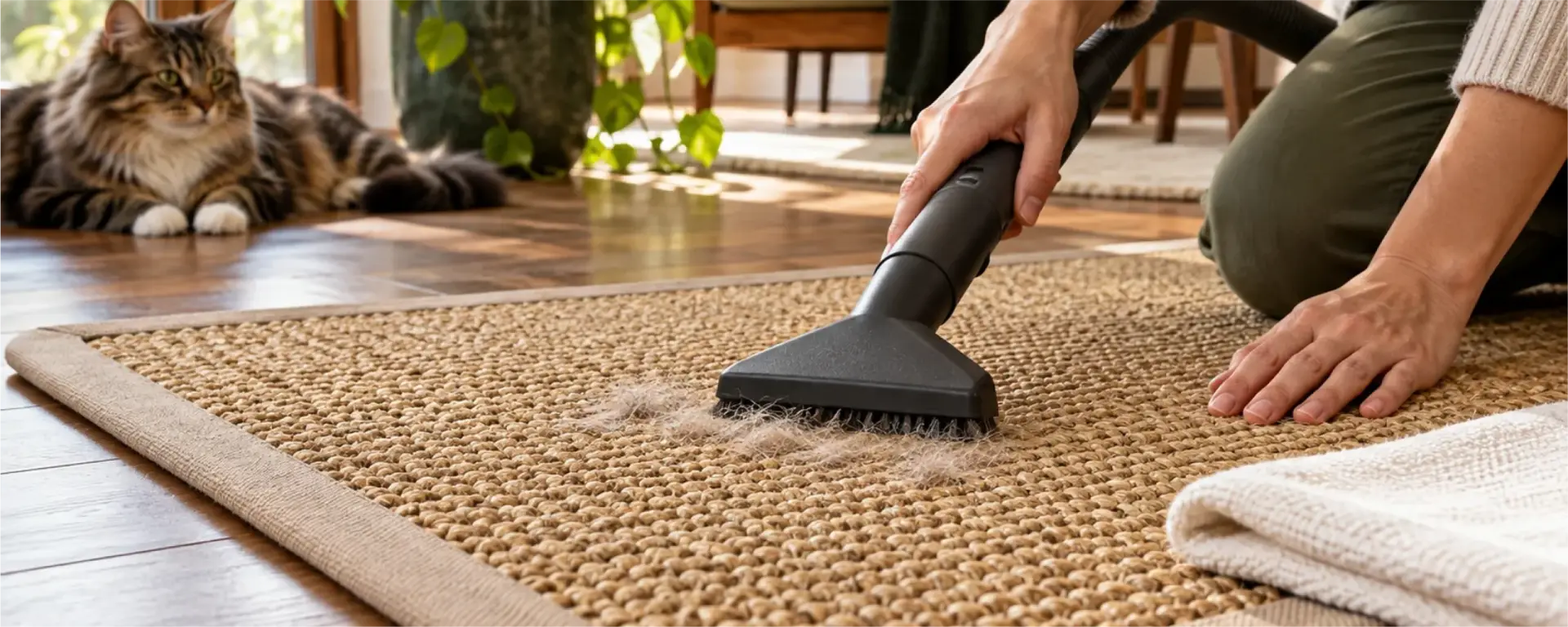
How should a sisal scratching mat be cleaned?
Follow the complete mat’s care instructions. Start with dry hair and debris removal: vacuum gently using a suitable attachment and blot fresh spills. Synthetic fibre content does not establish machine washability.
Sisal flooring guidance recommends vacuuming and avoiding steam cleaning or wet shampooing. This is material context, not validation for a particular TerraFaser mat. Sisal care and maintenance
A cautious everyday care sequence
- Read the label; check for detached edges, loose attachments or exposed backing.
- Remove hair and dry debris without pulling the weave; use compatible tools.
- Blot spills with an absorbent cloth. Avoid rubbing or saturation.
- Use only approved spot treatments, following directions and patch-test requirements.
- Keep the mat out of use until dry and suitable for normal placement.
Seek replacement guidance for heavy contamination or structural damage. Routine care is not disinfection and cannot guarantee stain removal.
Why fibre content is only part of the answer
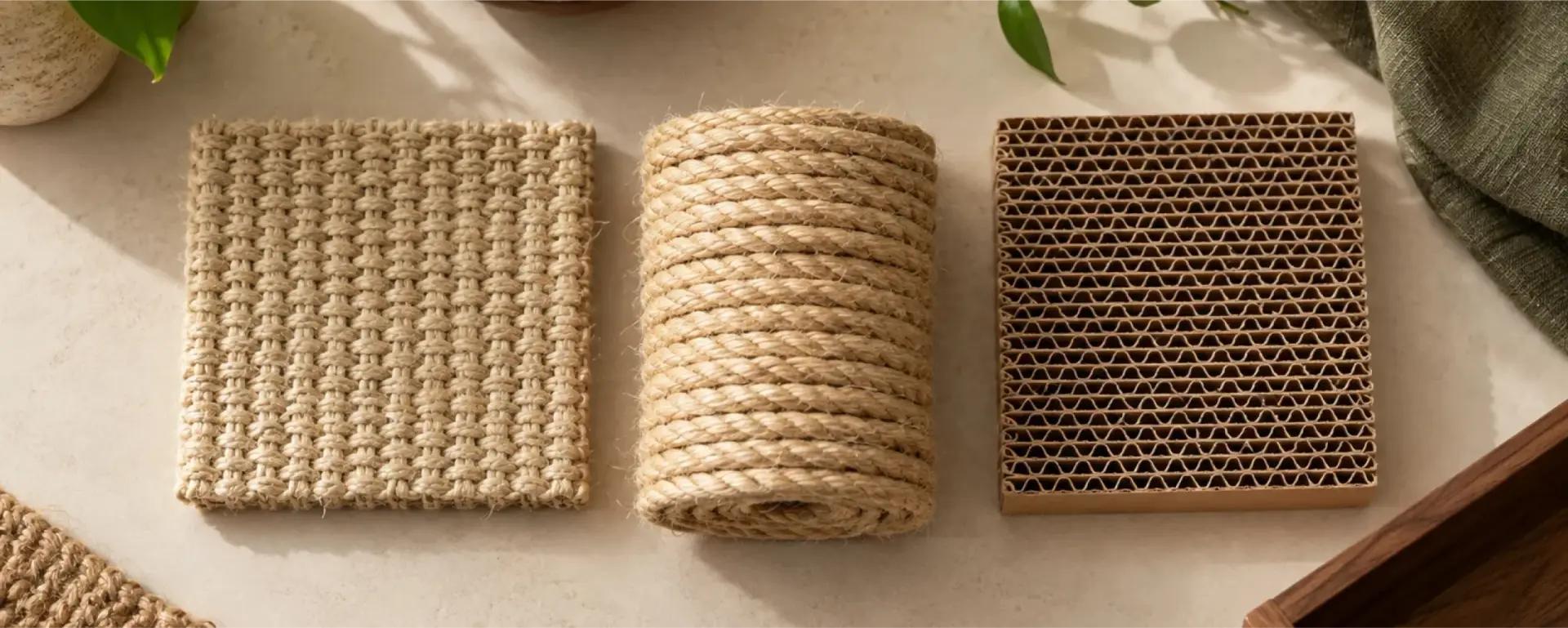
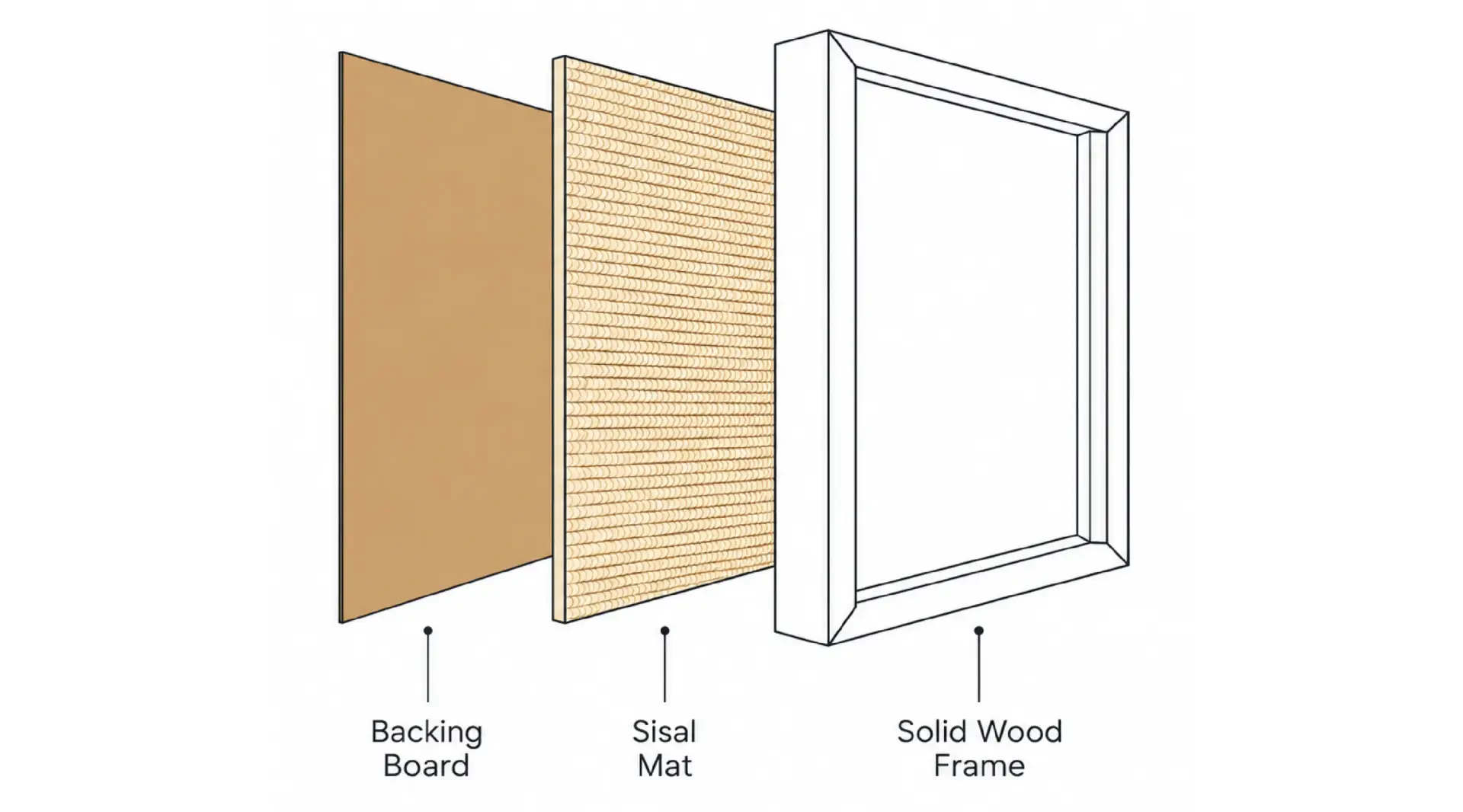
Weave, binding, backing, adhesives and finish affect care. Ask which cleaning methods the finished construction supports.
TerraFaser primarily offers 70% sisal and 30% polypropylene scratching material, and can also provide 100% sisal according to customer requirements. Contact our sales team to discuss the right option for your project. These percentages refer to the specified scratching material, not the complete product. Confirm composition, weave, texture and construction through sampling.
Can customers clean the mat without damaging it or complicating reuse? Publish clear care instructions before purchase.
Printed and embroidered surfaces also need instructions matched to their treatment. Review surface, edges and backing together rather than carrying a cleaning claim from one construction into every mat in the range.
Use care to evaluate the sample
| Sample check | Record |
|---|---|
| Dry debris removal | Cleaning ease; disturbed fibres |
| Approved spot care | Appearance, color transfer, drying conditions |
| Edges and backing | Separation, curling or other changes |
| Normal placement | Whether the mat lies and attaches correctly |
Agree methods and acceptance conditions beforehand. Keep an untreated comparison sample and record all outcomes. Care guidance is part of market readiness.
Buyer questions
Can “easy clean” be a selling point? Describe and substantiate the supported action, such as dry debris removal. Do not imply unverified machine washability.
Does easier cleaning prove better quality? It shows one aspect of suitability; assess wear, attachment, use and appearance separately.
Prepare the care brief: Ask TerraFaser to confirm composition and SKU-specific care for your proposed range.
Connected ideas for your range.
TAKE THE NEXT STEP
Bring the questions into your next brief.
Discuss your range → felix@terrafasercat.com