JOURNAL / SHARED LIVING AND DESIGN
Modern Cat Furniture Trends for Retail Buyers: Five Design Directions to Evaluate

What makes cat furniture modern?
TerraFaser connects feline use with everyday home life. These five directions form a range-development framework, not a bestseller ranking or quantified forecast.
Look beyond silhouette: how does the cat enter, scratch, rest and move, and how does the owner install and maintain the product?
1. Furniture forms that earn their place in the room
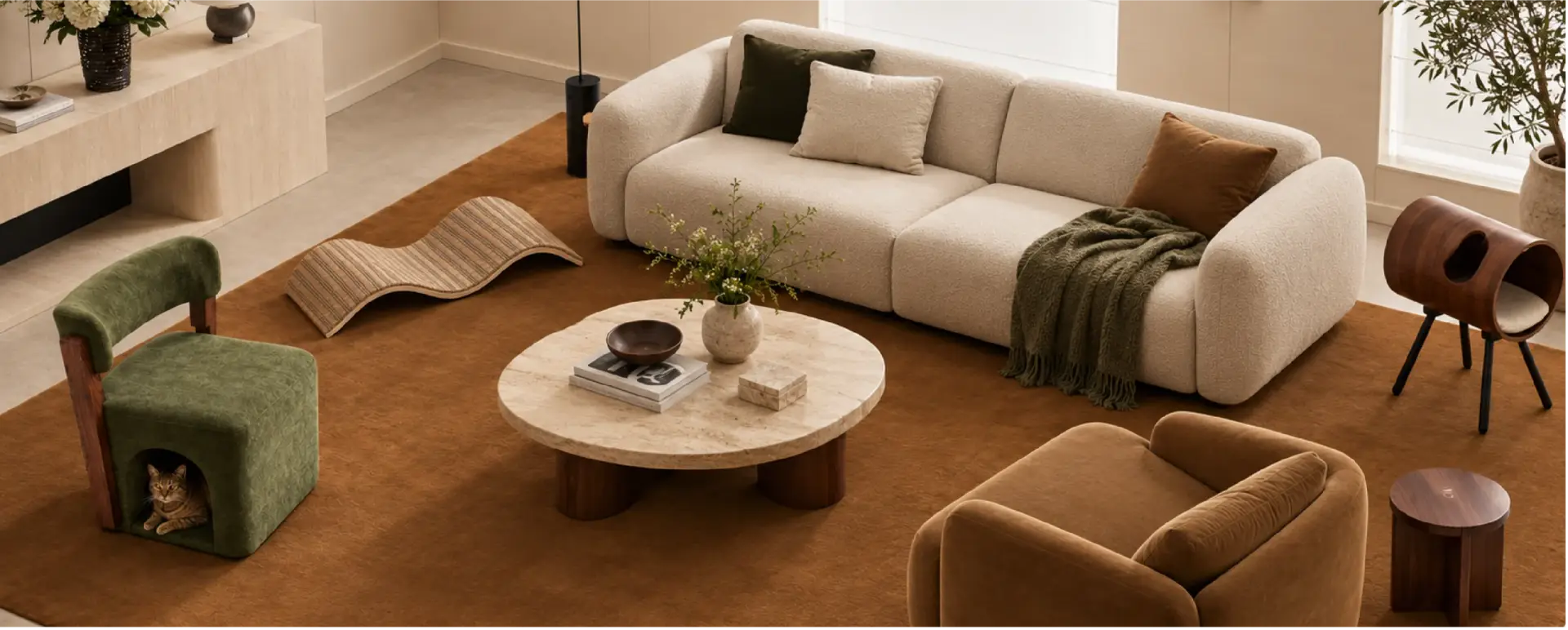
A furniture-style retreat still needs usable internal space, access, visibility and cleaning. TerraFaser’s Cat-Centric Small Furniture category reflects this product direction, rather than a market-wide finding.
Show products at room scale with enough measurements for customers to judge fit.
The exterior should help customers understand the product’s role without hiding the space available to the cat. Review the inside and entrance alongside the room setting, so visual integration remains connected to practical use.
2. Material texture as a design language
Texture can connect scratchers with interiors. Define what customers see and touch, then assess effects on care, edges and scratching performance.
TerraFaser’s four mat series use weave, print, embroidery and combined treatments. These support differentiation; colorfastness and scratch-resistance claims still need product-specific evidence.
3. Vertical pieces with a clear installation story
Support wall-product imagery with wall compatibility, fixing information and usable platform dimensions. Plan the route from floor to rest and back, considering the intended cat and room before choosing a dramatic layout.
4. Maintenance that is visible in the design
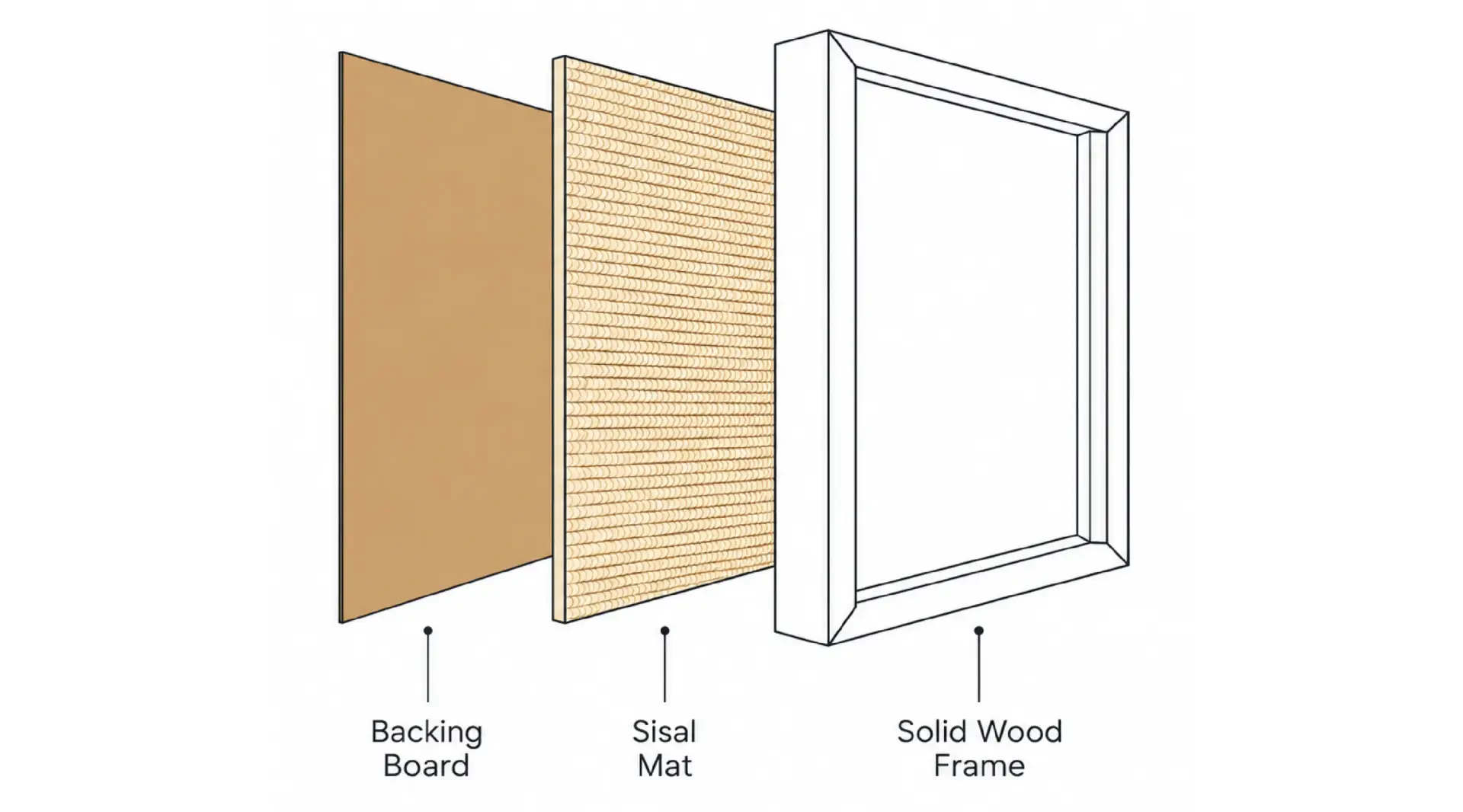
Check access for hair removal, cushion removal and inspection of worn scratching components. Intended replacement parts need identifiable specifications and a supply plan.
Describe maintenance or replacement features publicly only when the model supports them.
5. Collections with controlled variation
Use shared materials and visual cues while giving each product a distinct function. A common palette can connect a mat, resting piece and retreat without duplicating their roles.
Before adding colors, calculate effects on minimum orders, stock depth and replenishment. A collection should make assortment decisions clearer.
Start with a clear use for each piece, then add variations that offer meaningful choice. Coordinated products can belong together without competing through only a slight change of color or outline.
TerraFaser’s interpretation of Interwoven Living
Interwoven Living connects people, pets, homes, business and the planet. Evaluate appearance alongside cat access, care, manufacturability and resource use, then turn those choices into testable development requirements.
Buyer questions
Are these proven sales trends? No. Validate directions against your customers, category data and pilot results before forecasting demand.
Should the range look identical? Share a coherent design language while offering distinct functions and price positions.
Develop a collection direction: Share your interior references, customers and channel requirements with TerraFaser to explore an appropriate material and product family.
Connected ideas for your range.
TAKE THE NEXT STEP
Bring the questions into your next brief.
Discuss your range → felix@terrafasercat.com